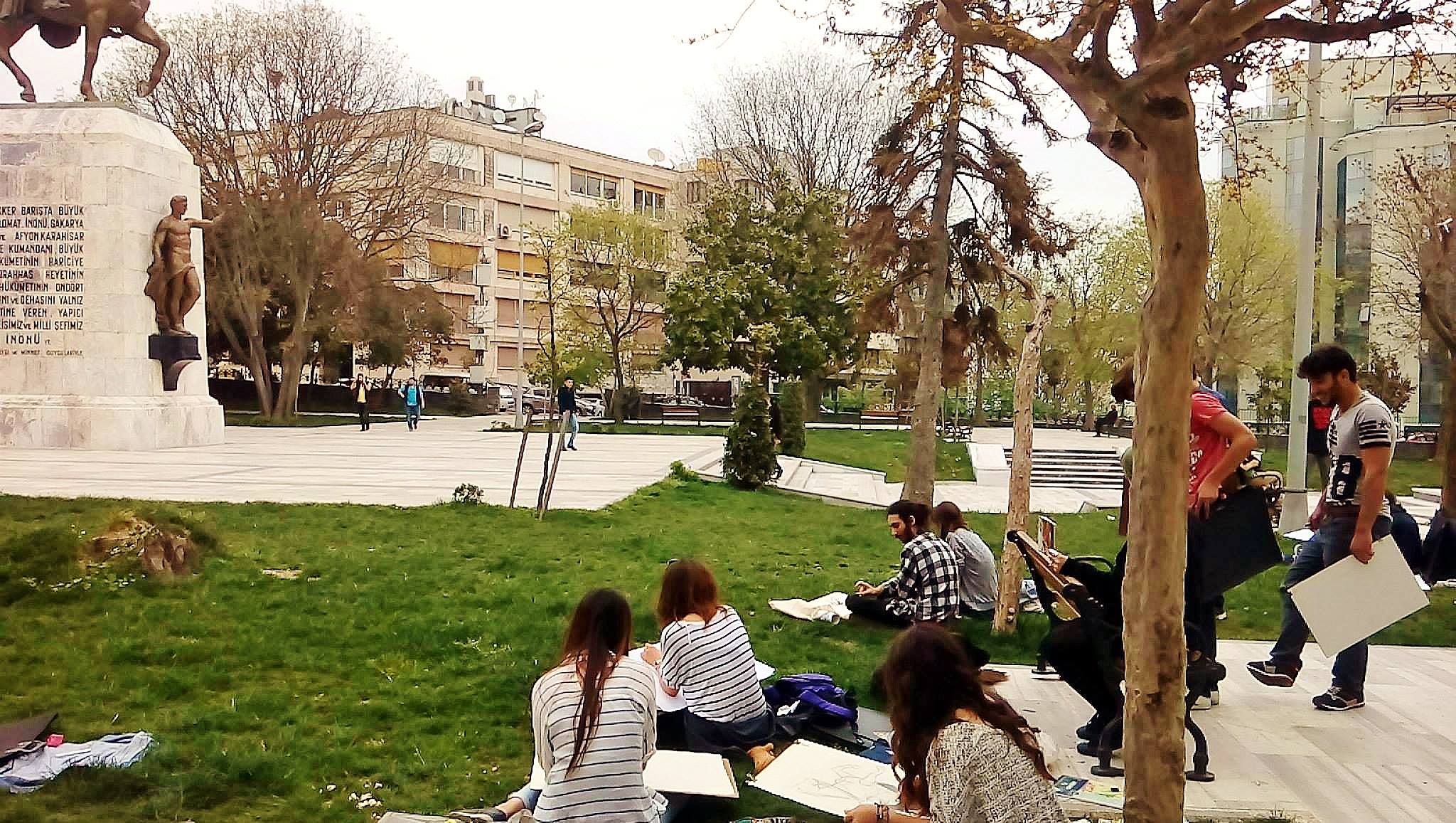
Author: A collaboration of web
sources and the interpretive systems of Gemini and ChatGPT.
ders BELGELİĞİ: A Vital Transformation in Art
Education and Dialogue with Nature
I. Introduction – A Vital Transformation in Art
Education and Dialogue with Nature
The 21st century is defined by deepening ecological crises, rapid
cultural transformations, and increasing social fractures. These
complex and multilayered challenges call for educational models that
transcend traditional frameworks, integrating ethical and aesthetic
sensibilities as inseparable from life itself. In this
transformation, art education occupies a pivotal role—not merely as
the cultivation of technical skill or the production of aesthetic
objects, but as a process of nurturing individuals who adopt an
existential, ethical, and aesthetic stance toward the world.
The "ders BELGELİĞİ" model, developed to meet this
need, represents a vital pedagogical innovation through its unique
educational practices and philosophical foundation. Throughout its
evolution, the model has engaged in conceptual dialogue with
significant thinkers in art and education, enriching its theoretical
structure. Students shift from being passive observers to active
documenters, taking a stance and cultivating a creative conscience.
In essence, Ders BELGELİĞİ frames art education not
simply as skill acquisition, but as a humanization process
intimately connected to life.
II. Wilhelm Worringer’s Aesthetic Dialectics and Ders
BELGELİĞİ
Wilhelm Worringer’s aesthetic theory offers an important framework
for understanding how Ders BELGELİĞİ shapes
students’ aesthetic engagement with nature. Worringer identifies two
fundamental tendencies in artistic creation:
-
Mimetic Tendency (Mimesis):
The drive to replicate nature faithfully, with its formal
realities. Students begin by observing natural objects
attentively, striving to represent them with accuracy. This
strengthens sensory perception and the capacity to understand
nature concretely.
-
Abstracting Tendency (Abstraktion):
The impulse to simplify, stylize, and reinterpret forms in
response to nature’s complexity. Here, students process
observations through intellectual and emotional filters,
generating geometric, symbolic, and personalized forms. This
fosters originality and creative autonomy.
Within Ders BELGELİĞİ, these tendencies are not
fixed stages but exist in a dynamic, reciprocal relationship.
Realistic representation and abstraction occur in dialogue, allowing
technical skill to merge with ethical-aesthetic consciousness.
III. Nature-Based Art Education and the Humanization
Process
The central aim of Ders BELGELİĞİ is to cultivate
humanization through students’ aesthetic and ethical interaction
with nature. In this process, nature ceases to be a passive object
and becomes an active source of conscientious creativity. Students
do not simply imitate forms but internalize and reinterpret them,
forming an ethical stance that informs their artistic decisions.
This approach integrates aesthetic sensitivity with existential
responsibility, producing works that embody the interconnectedness
of self, nature, and society.
IV. Pedagogical Layers and Practices of Ders
BELGELİĞİ
The model’s structure intertwines philosophical depth with tangible
educational practice through multiple pedagogical layers:
-
Individual Attitude and Ethical Stance –
Encouraging the student to become an active subject who
questions their position toward nature and society, grounding
creative work in ethical awareness.
-
Active Engagement with
Nature – Belgelik Trees Project – Direct interaction
with nature through planting, observation, and creative
interpretation.
-
Collective Sharing –
Günleme and Digital Platforms – Transforming individual
documentation into shared cultural memory via publications and
online archives.
-
Continuous Development and
Flexibility – Adapting to local contexts and student
needs without rigid formulas.
-
Dialectical Relationship
Between Art and Nature – Understanding nature as both
the source and subject of ethical-aesthetic creation.
-
From Observation to
Documentation – Elevating documentation from passive
recording to reflective, ethically guided production.
-
Conscientious Creativity –
Positioning conscience as the guiding force of artistic
innovation.
-
Layered Educational Process –
Progressing from sensory perception to intellectual analysis to
social engagement.
-
Contributions to the
Student – Fostering sensitive seeing, ethical
responsibility, and collective awareness.
-
Originality and Local
Adaptation – Integrating universal principles with
local culture and environment.
V. International Comparisons and Global Positioning
Although locally rooted, Ders BELGELİĞİ aligns with,
and in some respects diverges from, notable international
pedagogical approaches:
-
Bauhaus School:
Emphasized functional integration of art and craft. In contrast, Ders
BELGELİĞİ prioritizes ethical-aesthetic development
over industrial design.
-
Joseph Beuys and Social
Sculpture:
Advocated for art as social transformation. While Beuys
emphasized collective authorship, Ders BELGELİĞİ grounds
transformation in the individual’s ethical stance before
collective action.
-
Reggio Emilia Approach:
Uses documentation to make learning visible. Ders
BELGELİĞİ similarly values documentation but as an
embodiment of ethical-aesthetic perspective.
-
Village Institutes (Köy
Enstitüleri):
Blended practical work with education for social progress. Ders
BELGELİĞİ continues this legacy within contemporary art
pedagogy and ecological awareness.
VI. Future Directions: Digitalization, Dissemination,
and Ecological Integration
-
Digital Platforms and Collective Memory –
Expanding reach and intercultural dialogue through online
archives and publications.
-
Ecological Awareness –
Embedding environmental consciousness at the heart of pedagogy,
fostering sustainability.
-
Role of Alumni –
Encouraging graduates to carry the model’s values into diverse
professional and social contexts.
-
International
Collaborations – Building partnerships to strengthen
global dialogue on art, ethics, and nature.
VII. Conclusion
Ders BELGELİĞİ presents a distinctive integration
of ethics, aesthetics, and existential awareness in art education.
Rooted in local culture yet open to universal values, it responds to
urgent ecological and social needs while redefining the scope of
contemporary art pedagogy. By transforming students into ethically
responsible, aesthetically sensitive individuals, it offers a
sustainable and visionary model for the future.
Note:
Ders BELGELİĞİ is an original proper noun denoting a unique
art education model originating in Turkey. It is preserved in its
original form throughout the text; an explanatory translation such
as Course Documentation may be added in footnotes if necessary.
References
· Beuys, J.
(1995). Was ist Kunst?. Köln: DuMont Verlag.
· Edwards, B.
(2004). Drawing on the Right Side of the Brain. New York:
TarcherPerigee.
· Gombrich, E. H.
(1995). The Story of Art. London: Phaidon Press.
· Kagawa, F.
(2011). Art Education in Ecological Contexts. New York:
Routledge.
· Kuçuradi, I.
(2000). Felsefeye Giriş [Introduction to Philosophy]. Ankara:
Vadi Yayınları.
· Mengüşoğlu, A.
(1995). İnsanlaşma Sorunu ve Eğitimi [The Problem of
Humanization and Education]. İstanbul: Cem Yayınevi.
· Selwyn, N.
(2016). Education and Technology: Key Issues and Debates.
London: Bloomsbury Publishing.
· Worringer, W.
(2010). Abstraktion und Einfühlung [Abstraction and Empathy].
Berlin: Walter de Gruyter.
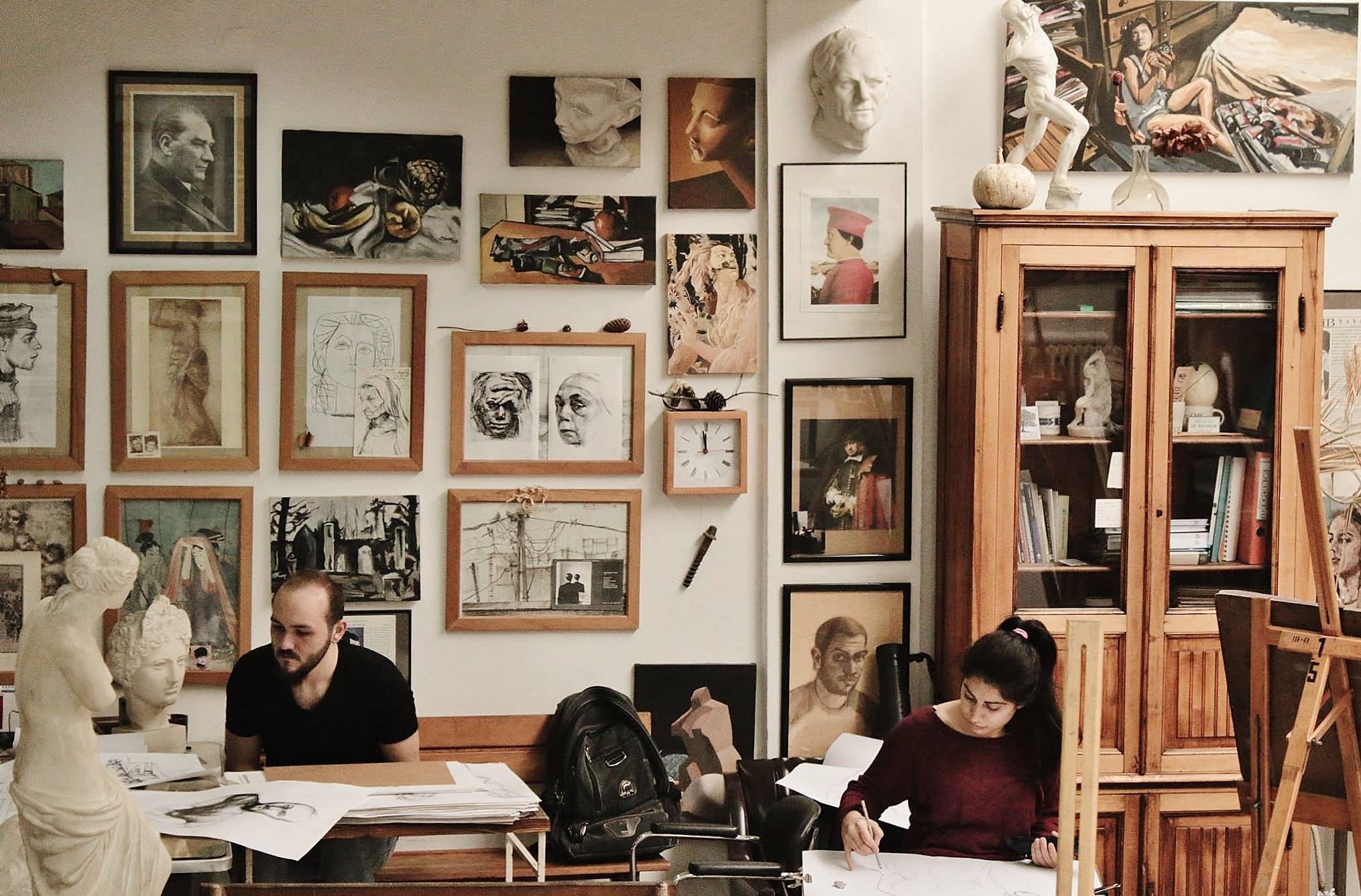
ders BELGELİĞİ: Kunstpädagogisches Modell für eine
lebendige Verbindung mit Natur und Ethik
I. Einführung – Lebensweltliche Transformation in der
Kunstpädagogik und der Dialog mit der Natur
Das 21. Jahrhundert ist geprägt von ökologischen Krisen, kulturellen
Umbrüchen und gesellschaftlichen Spannungen. Diese komplexen
Herausforderungen überwinden traditionelle Bildungsmodelle und
fordern neue Ansätze, die Leben, Ethik und Ästhetik in den
Mittelpunkt stellen. Die Kunstpädagogik befindet sich inmitten
dieses Wandels und zielt nicht mehr nur auf ästhetische Objekte ab,
sondern darauf, den Menschen als ein aktives, reflektiertes Subjekt
mit ethischer und ästhetischer Haltung zu fördern.
Das Modell ders BELGELİĞİ repräsentiert diese
lebensweltliche Transformation durch eine originelle pädagogische
Praxis und philosophische Fundierung. Es verwandelt Lernende vom
passiven Beobachter zu aktiven, dokumentierenden Subjekten mit
bewusstem ethischem Standpunkt und kreativem Gewissen.
Kurz gesagt, Ders BELGELİĞİ versteht Kunstpädagogik nicht nur als
Vermittlung von Fertigkeiten, sondern als einen Prozess der
Humanisierung.
II. Wilhelm Worringers Ästhetische Dialektik und Ders
BELGELİĞİ
Wilhelm Worringers ästhetische Theorie liefert wichtige Grundlagen
für die Erklärung der pädagogischen Beziehung zwischen Lernenden und
Natur. Worringer beschreibt zwei grundlegende menschliche Tendenzen
in der Kunstproduktion:
· Nachahmung
(Mimesis): Das Bestreben, die Natur in ihrer formalen
Realität getreu abzubilden. Lernende beobachten und erfassen
Naturgegenstände detailliert und versuchen, diese realistisch
darzustellen. Diese Tendenz fördert sensorisches Bewusstsein und
konkrete Wahrnehmung.
· Abstraktion
(Abstraktion): Die Vereinfachung und Neuinterpretation
komplexer Naturstrukturen in geometrische, stilisierte und
symbolische Formen. Lernende verarbeiten Beobachtungen durch
intellektuelle und emotionale Filter, was Kreativität und originale
Formensprachen fördert.
Im Modell Ders BELGELİĞİ stehen diese Tendenzen nicht als starre
oder sequenzielle Schritte, sondern als dynamischer Dialog. Lernende
imitieren naturgetreu, während sie gleichzeitig eigene ethisch-ästhetische
Perspektiven einbringen. Kunstproduktion wird so zum Ausdruck einer
ethisch-ästhetischen Bewusstheit jenseits technischer Fertigkeiten.
III. Naturbasierte Kunstpädagogik und der
Humanisierungsprozess
Das Ziel von Ders BELGELİĞİ ist es, durch die ästhetisch-ethische
Beziehung zur Natur den Humanisierungsprozess der Lernenden zu
fördern. Natur ist nicht länger nur Beobachtungsobjekt, sondern
Quelle von kreativem Gewissen und sensibilisierter Wahrnehmung.
Die Lernenden interpretieren und internalisieren Naturformen,
entwickeln eine ethische Haltung.
Dieser pädagogische Prozess fördert parallel ästhetische
Sensibilität und existenzielle Verantwortungsbewusstheit. Die
künstlerische Produktion spiegelt die integrierte Beziehung zu sich
selbst, zur Natur und zur Gesellschaft wider.
IV. Pädagogische Schichten und Anwendungen von Ders
BELGELİĞİ
Ders BELGELİĞİ besitzt eine mehrschichtige pädagogische Struktur,
die philosophische Tiefe in konkrete Bildungspraxis übersetzt und
individuelle Haltung, ethisches Bewusstsein, naturverbundene Praxis
und kollektiven Austausch verknüpft:
1. Individuelle
Haltung und ethische Positionierung: Lernende werden
vom passiven Beobachter zu aktiven Subjekten mit ethischem
Bewusstsein. Die Haltung gegenüber Natur und Gesellschaft wird
reflektiert und bildet die Grundlage fürs kreative Gewissen.
2. Aktive
Verbindung zur Natur – Projekt „Belgelik Bäume“: Praktische
Aktivitäten wie Pflanzen und Pflege von Bäumen verbinden direkte
Naturerfahrung mit kreativen Ausdrucksformen und ethischem
Kunstverständnis.
3. Kollektives
Teilen – Digitales „Günleme“ und Plattformen: Dokumentationen
und Erfahrungen werden digital geteilt, um individuelle
Erfahrungen in kollektives Bewusstsein zu transformieren.
4. Kontinuierliche
Entwicklung und pädagogische Flexibilität: Das Modell
ist flexibel an lokale Bedingungen und Bedürfnisse anpassbar.
5. Dialektisches
Verhältnis von Kunst und Natur: Natur ist Quelle
künstlerischer Schöpfung, Kunst drückt ethisch-ästhetische
Haltung zur Natur aus.
6. Feine
Grenze zwischen Beobachtung und Dokumentation: Dokumentation
geht über reine Beobachtung hinaus und ist bewusstes, ethisch
reflektiertes Produkt – Lernende verstehen ihre Aufzeichnungen
als Verantwortungserklärung gegenüber der Natur.
7. Entwicklung
von kreativem Gewissen: Gewissen leitet Kreativität;
Kunstproduktion ist mehr als ästhetische Tätigkeit – sie ist
lebensweltliche und ethische Verantwortung.
8. Pädagogische
Kontinuität und Schichtung: Bildung ist kontinuierlich
und vielschichtig: sensorische Erfahrung → intellektuelle
Reflexion → gesellschaftlicher Austausch.
9. Erträge
der Natur-Kunst-Ethik-Beziehung für Lernende: Sensibles
Sehen, kreatives Gewissen und kollektives Bewusstsein.
10. Originalität
und Lokalität in der Bildung: Das Modell verbindet
lokale Natur und Kultur mit universellen Werten.
V. Internationale Vergleiche und die Position von
Ders BELGELİĞİ in der globalen Kunstpädagogik
Das Modell Ders BELGELİĞİ zeichnet sich durch lokale Originalität
und universelle pädagogische Werte aus. Im Folgenden werden
Parallelen und Unterschiede zu anderen Ansätzen dargestellt:
· Bauhaus-Schule: Schwerpunkt
auf funktionalem Design, Technik und Produktion. Im Vergleich:
Ders BELGELİĞİ legt mehr Gewicht auf ethisch-ästhetische
Entwicklung und die tiefe Beziehung zur Natur, Technik ist Teil
eines umfassenden Entwicklungsprozesses.
· Joseph
Beuys und Sozialer Skulptur: Beuys betont
gesellschaftliche Transformation und kollektive Praxis. Ders
BELGELİĞİ fördert ebenfalls soziale Verantwortung, stellt aber
individuelle ethische Haltung und Dokumentation ins Zentrum, die
als Fundament kollektiver Transformation gilt.
· Reggio-Emilia-Ansatz: Fokus
auf dokumentiertes Lernen, Sichtbarmachung von Prozessen und
Austausch. Ders BELGELİĞİ erweitert diesen Ansatz um die
Betonung von Ethik und Ästhetik als Ausdruck existenzieller
Haltung.
· Köy
Enstitüleri: Verbindung von Theorie und Praxis zur
gesellschaftlichen Transformation. Ders BELGELİĞİ aktualisiert
diese Tradition mit zeitgenössischer Kunstpädagogik und
ökologischem Bewusstsein, z. B. mit Projekten wie „Belgelik
Bäume“.
VI. Zukunft von Ders BELGELİĞİ: Digitalisierung,
Verbreitung und ökologische Wirkung
1. Digitale
Plattformen und kollektives Gedächtnis: Technologischer
Fortschritt beschleunigt Teilung und kollektive
Bewusstseinsbildung; digitale Archive und soziale Medien
ermöglichen grenzüberschreitende Dialoge.
2. Integration
ökologischen Bewusstseins: Ders BELGELİĞİ verankert
Naturbewusstsein als pädagogischen Kernwert; direkte
Naturerfahrungen fördern ökologische Sensibilität. Kunst wird
als Verantwortung für Nachhaltigkeit verstanden.
3. Rolle
von Absolventen und gesellschaftliche Verbreitung: Nachhaltigkeit
des Modells hängt von aktiver Beteiligung der Absolventen ab,
die ethisch-ästhetische Haltung in Beruf und Gesellschaft tragen
und weiterentwickeln.
4. Internationale
Kooperationen und Dialog: Kooperation mit
Bildungseinrichtungen, die Natur, Kunst und Ethik vereinen,
stärkt den Dialog vom Lokalen zum Globalen und erhöht
Sichtbarkeit und Wirkung.
VII. Fazit: Innovativer und lebensweltlicher Beitrag
von Ders BELGELİĞİ zur Kunstpädagogik
Ders BELGELİĞİ ist ein pädagogischer Ansatz, der weit über
Technikvermittlung hinausgeht und ethische, ästhetische und
existenzielle Dimensionen verbindet. Die tiefe Beziehung zur Natur,
kreatives Gewissen und kollektive Teilhabe machen Lernende zu
verantwortlichen Subjekten, die mit dem Leben verwoben sind.
Das Modell mit starken lokalen Wurzeln und universellen Werten ist
ein zukunftsweisendes Beispiel zeitgenössischer Kunstpädagogik.
Angesichts ökologischer und gesellschaftlicher Herausforderungen
gewinnt die pädagogische und lebensweltliche Relevanz von Ders
BELGELİĞİ zunehmend an Bedeutung.
Hinweis:
Ders BELGELİĞİ ist ein eigenständiger, geschützter
Name eines pädagogischen Modells und wird daher in der
Originalsprache verwendet. In der englischen Version wird er als
„Ders BELGELİĞİ“ belassen, um die Einzigartigkeit und den
Markennamen zu bewahren.
Quellen / Literaturverzeichnis
· Beuys, J.
(1995). Was ist Kunst?. Köln: DuMont Verlag.
· Edwards, B.
(2004). Drawing on the Right Side of the Brain. New York:
TarcherPerigee.
· Gombrich, E. H.
(1995). The Story of Art. London: Phaidon Press.
· Kagawa, F.
(2011). Art Education in Ecological Contexts. New York:
Routledge.
· Kuçuradi, I.
(2000). Felsefeye Giriş [Introduction to Philosophy]. Ankara:
Vadi Yayınları.
· Mengüşoğlu, A.
(1995). İnsanlaşma Sorunu ve Eğitimi [The Problem of
Humanization and Education]. İstanbul: Cem Yayınevi.
· Selwyn, N.
(2016). Education and Technology: Key Issues and Debates.
London: Bloomsbury Publishing.
· Worringer, W.
(2010). Abstraktion und Einfühlung [Abstraction and Empathy].
Berlin: Walter de Gruyter.
